
Low Carb Chocolate Sandwich Cookies — Sugar Free, Gluten Free, 1.8g Net Carbs
/There is a whole category of food people think they have to give up when they go low carb. Oreo-style chocolate sandwich cookies are on that list — crunchy chocolate wafers with a sweet cream filling, eaten in twos, dunked in coffee or almond milk, demolished in entirely unreasonable quantities. This recipe brings them back.
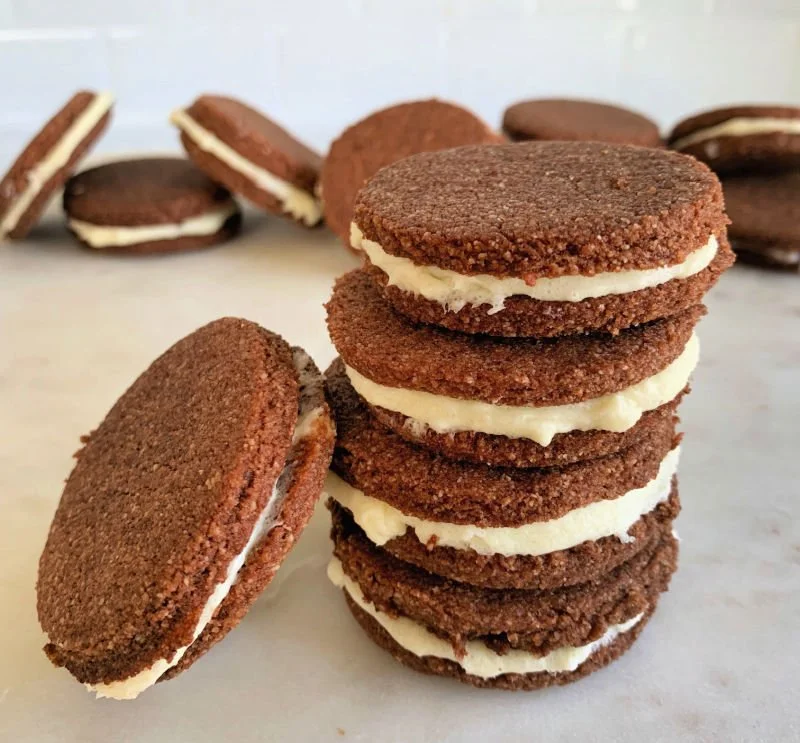
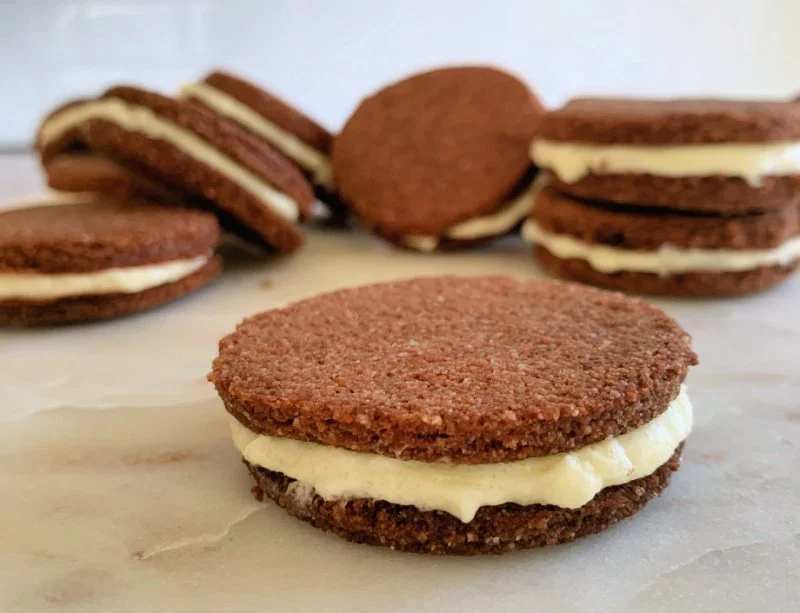
Two crispy almond flour and cacao powder chocolate cookies, pressed around a layer of sweetened cream cheese filling. The cookies are genuinely crunchy — not soft, not cakey, crunchy, the way the real thing is. The filling is rich, slightly tangy from the cream cheese, and perfectly sweet from Lakanto monk fruit. Only 1.8g net carbs per sandwich cookie.
The base recipe uses vanilla cream cheese filling — classic, crowd-pleasing, works for every person at the table including the ones not eating low carb. The mint peppermint variation is included for anyone who grew up loving the Thin Mint or mint creme version. Both use the same chocolate cookie base. Both are 1.8g net carbs. Both disappear immediately.
Why you'll love these low carb chocolate sandwich cookies
1.8g net carbs per sandwich cookie • Genuinely crispy chocolate cookie — not soft or cakey • Rich cream cheese filling — vanilla or mint peppermint • 24 sandwich cookies per batch • Under 40 minutes • Sugar free, gluten free • The keto dessert that satisfies the specific craving nothing else reaches • Non-low-carb family members eat them without knowing

Why the Cookies Get Crispy — Read This First
This is the single most important thing to know before you make this recipe and the detail that most low carb chocolate sandwich cookie recipes fail to mention:
⏱ The 2-4 Hour Crisping Window — Do Not Skip This
Lakanto Classic Monk Fruit Sweetener contains erythritol. Erythritol behaves differently from sugar in baking — cookies sweetened with it will be soft when they first come out of the oven. They need 2-4 hours at room temperature to fully crisp up as the erythritol resolidifies.
If you pull these from the oven after 12 minutes and press one to test, it will feel soft and underdone. It is not underdone. Put them on a cooling rack, leave them alone for at least 2 hours, and come back to genuinely crunchy chocolate cookies.
This is the #1 reason people report that this recipe 'didn't work' — they didn't wait. The recipe works. The cookies need time.
Ingredients
CHOCOLATE COOKIE DOUGH — MAKES APPROXIMATELY 48 COOKIE HALVES (24 SANDWICHES)
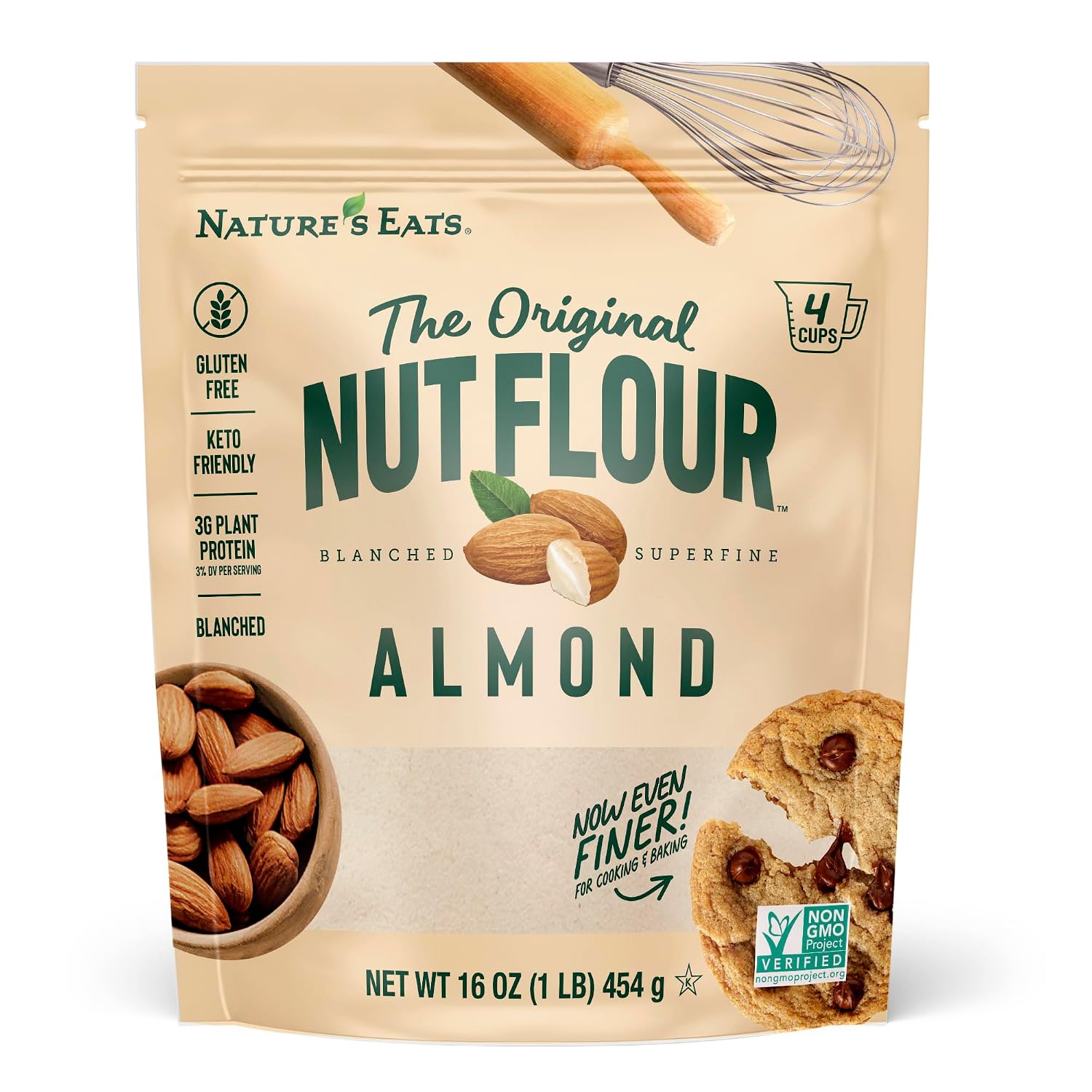
2¼ cups Almond Flour — blanched super-fine preferred
3 tablespoons Coconut Flour
4 tablespoons Unsweetened Cacao Powder — cacao, not cocoa, for a deeper chocolate flavor
1 teaspoon gluten-free baking powder
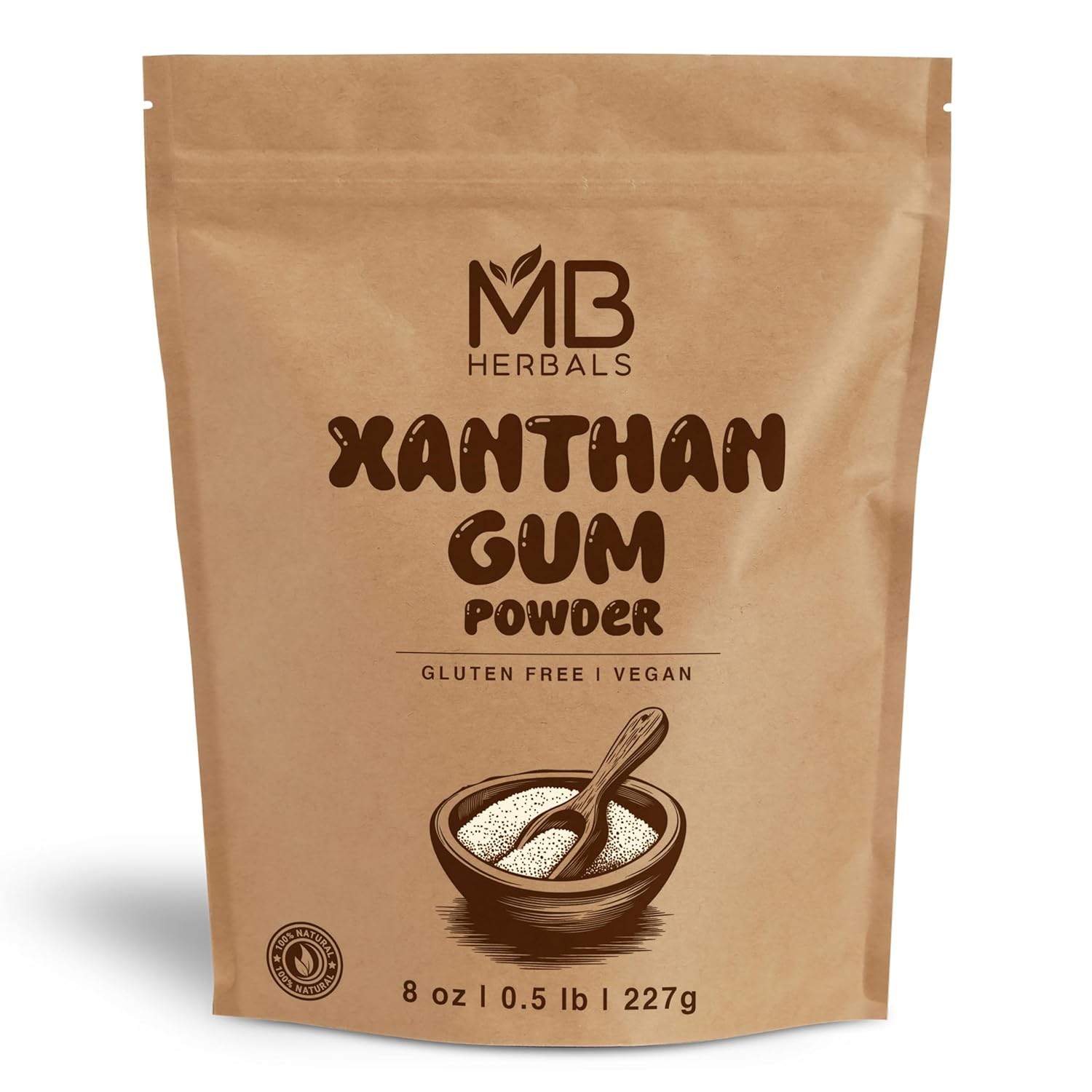
1½ teaspoon xanthan gum — see xanthan gum section below
¼ teaspoon salt
½ cup (4 oz / 8 tablespoons) unsalted Kerrygold grass-fed butter, softened
1 large egg
1 teaspoon pure vanilla extract
1 cup Lakanto Classic Monk Fruit Sweetener, divided — ½ cup for the dough, ½ cup for the filling [affiliate link]
CLASSIC VANILLA CREAM CHEESE FILLING
4 oz full-fat cream cheese, softened
2 tablespoons Kerrygold unsalted butter, softened [affiliate link]
½ cup Lakanto Classic Monk Fruit Sweetener (from the reserved cup above)
1 teaspoon pure vanilla extract
MINT PEPPERMINT CREAM FILLING (VARIATION — SWAP VANILLA FOR THESE)
Same base as above, replace the 1 teaspoon vanilla extract with 1 teaspoon peppermint extract
Optional: 1-2 drops of food-grade green gel food coloring for the classic mint green look
Why Xanthan Gum Matters
Xanthan gum is the structural element that gives these cookies their Oreo-like snap. In conventional cookies, gluten from wheat flour creates the network that makes a cookie hold its shape, stay crisp, and snap cleanly rather than crumbling. Almond flour and coconut flour have no gluten — without a substitute binder, the cookies spread into flat discs and crumble when you try to pick them up.
Xanthan gum replaces that function. It binds the almond and coconut flour particles together, gives the dough enough structure to roll and cut cleanly, and creates the slightly firm, snappy texture after baking. The quantity is small (1½ teaspoons across the whole batch) but removing it significantly changes the result. Don't skip it.
Where to find xanthan gum and what to do if you can't
Bob's Red Mill Xanthan Gum is the most widely available brand — at Whole Foods, Sprouts, Target, Amazon. It's sold in small bags because a little goes a very long way (this recipe uses 1½ teaspoons from a bag that will last you a year).
Substitute if needed: 1½ teaspoons of psyllium husk powder. The texture will be slightly different — chewier than snappy — but the cookies will hold together. Flaxseed meal also works (2 tablespoons, mixed with 1 tablespoon water to gel) but changes the flavor slightly.
Step-by-Step — Rolling and Cutting Technique
Preheat. Oven to 350°F. Line two baking sheets with parchment paper.
Mix dry ingredients. In a medium bowl, whisk together the almond flour, coconut flour, cacao powder, baking powder, xanthan gum, and salt until evenly combined.
Cream butter and sweetener. In a separate large bowl, beat the ½ cup of Lakanto sweetener and softened butter together until light and fluffy — about 2 minutes with a hand mixer. This step matters for cookie texture. Don't rush it.
Add egg and vanilla. Beat the egg and vanilla extract into the butter mixture until incorporated.
Add dry ingredients. Add the dry ingredient bowl to the wet ingredients and mix until a soft, pliable dough forms. The dough will be slightly sticky. If it's too sticky to handle, refrigerate for 10-15 minutes.
Roll between wax paper. Tear off two large sheets of wax paper. Place one flat on the counter. Put the dough on top. Cover with the second sheet. Using a rolling pin, roll the dough out to approximately ⅛ inch thick — about the thickness of a quarter. The wax paper technique eliminates sticking completely. Don't try to roll this dough on a bare surface.
Cut the cookies. Peel back the top wax paper carefully. Using a round cookie cutter (approximately 2 inches) or the rim of a small glass or large spice jar lid, cut out as many circles as possible. Gently transfer each circle to the parchment-lined baking sheet using a thin spatula. Gather scraps, re-roll between wax paper, and repeat. You'll re-roll approximately 5-6 times to use all the dough. Aim for about 48 total circles — enough for 24 sandwich cookies.
Bake. 12 minutes at 350°F. The cookies will look soft and feel soft when you press them — this is normal. Do not overbake trying to crisp them. The crisping happens during cooling.
Cool completely. Transfer to a wire rack and let cool for a minimum of 2 hours before filling. The cookies need this time to crisp up fully as the erythritol sets. Rushing this step is the most common mistake.
The rolling thickness matters
⅛ inch is thinner than most people roll cookie dough instinctively. If your cookies are too thick, they'll be cakey rather than crispy even after the full cooling time. Use a ruler or two wooden chopsticks as thickness guides on either side of the dough — the rolling pin rolls over the chopsticks and keeps the dough at an even ⅛ inch throughout.

The Cream Cheese Filling
The cream cheese filling is what makes these different from most low carb sandwich cookie recipes, which typically use a simple powdered sweetener and butter buttercream. Cream cheese adds a slight tang and richness that actually resembles the original filling more closely — the sweetened cream cheese has the same thick, slightly dense quality as the classic white creme.
Beat. Using a hand mixer, beat the softened cream cheese and softened butter together until smooth and fluffy, about 2 minutes.
Add sweetener and extract. Add the remaining ½ cup of Lakanto Classic Sweetener and the vanilla (or peppermint) extract. Beat on medium-high until fully combined and fluffy, another 1-2 minutes.
Taste. The filling should be very sweet — it needs to be to balance the intensity of the cacao in the cookies. If it tastes flat, add a pinch more sweetener. If it's too sweet for your preference, reduce by 2 tablespoons.
Fill. Once the cookies have cooled and crisped (minimum 2 hours), place a small dollop of filling on the flat side of one cookie. Press a second cookie on top, flat side down, and press gently until the filling reaches the edges. Repeat with remaining cookies.
Filling Variations
Classic vanilla (base recipe)
Vanilla extract in the filling creates a clean, sweet, lightly vanilla-forward flavor that complements the deep cacao cookie without competing with it. This is the version most people will request a second batch of.
Mint peppermint creme
Swap vanilla for 1 teaspoon of pure peppermint extract. The peppermint and dark cacao combination is the classic mint chocolate pairing — cooling, slightly sweet, deeply chocolatey. Start with ¾ teaspoon of peppermint extract and add more to taste — peppermint extract is potent and the strength varies by brand. Add 1-2 drops of green gel food coloring if you want the visual effect of the mint creme version. This is the original filling in this recipe and a crowd favorite for anyone who loves the cool mint chocolate combination.
Chocolate cream filling (double chocolate)
Add 1 tablespoon of cacao powder and 1 additional tablespoon of Lakanto sweetener to the vanilla filling. The result is a dark chocolate cream filling sandwiched between two dark chocolate cookies — the double chocolate version for committed chocolate people.
Peanut butter cream filling
Add 2 tablespoons of natural peanut butter (one ingredient, room temperature so it stirs smoothly) to the vanilla cream cheese filling. Reduce butter to 1 tablespoon. The peanut butter and chocolate cookie combination is exactly what it sounds like — genuinely excellent. Works particularly well as the mint filling variation's competition.
Coffee espresso filling
Add ½ teaspoon of instant espresso powder dissolved in ½ teaspoon of warm water to the vanilla filling. The espresso deepens the chocolate flavor of the whole cookie and adds a subtle bitterness that balances the sweetness of the filling. For adults only.
Storage
Room temperature: up to 5 days in an airtight container. Keep unfilled cookies and filling stored separately if possible — the filling softens the cookies slightly over time. Assembled sandwich cookies are best within 48 hours for maximum crunch.
Refrigerator: up to 1 week. The cookies will soften slightly in the fridge from the moisture — let them come to room temperature for 20-30 minutes before eating to recover some of the crunch.
Freezer: freeze unfilled cookies in an airtight zip-lock bag for up to 3 months. Make fresh filling and assemble when ready to eat. The filling does not freeze and thaw well — it separates.
Make-ahead strategy: bake the cookies up to 3 days ahead and store at room temperature. Make the filling the day you plan to serve. Assemble within 2-3 hours of serving for the best texture.
Frequently Asked Questions
My cookies came out soft, not crunchy. What did I do wrong?
You probably didn't wait long enough. Erythritol-sweetened cookies are soft right out of the oven and need 2-4 hours at room temperature to fully crisp as the erythritol solidifies. Place them on a wire rack and leave them completely undisturbed for at least 2 hours. If they're still soft after 4 hours, they were likely rolled too thick (thicker than ⅛ inch) — thicker cookies take longer to crisp and may never fully achieve the snap of a thinner cookie.
Can I make these without coconut flour?
The coconut flour serves a structural role — it absorbs moisture and helps the cookie hold its shape when cutting and during baking. Without it the dough is stickier and the cookies spread slightly more. If you don't have coconut flour, add 1 additional tablespoon of almond flour and expect slightly wider, flatter cookies. The flavor difference is minimal.
Can I use a different sweetener?
Yes, with caveats. Erythritol-based sweeteners (Swerve, Lakanto Classic, Anthony's Erythritol) all produce the crunchy result after the cooling period. Xylitol also works but can take 24 hours to fully crisp up — not ideal. Do not use allulose — it stays chewy and never crisps. Do not use stevia or monk fruit concentrate alone — they don't provide the bulk and structural contribution that erythritol does. If you use a different erythritol blend, the quantity may need slight adjustment based on sweetness level.
What size cookie cutter should I use?
A 2-inch round cutter produces cookies closest in size to the original sandwich cookie. If you only have a larger cutter, expect fewer total cookies and scale the filling accordingly. In a pinch: the rim of a small glass, a large spice jar lid, or even a wide-mouth mason jar ring all work perfectly — the original recipe was made with a spice jar top.
Can I make these dairy-free?
The cookie dough: substitute the butter with refined coconut oil (same quantity, solid at room temperature). The filling: this is harder to replicate dairy-free. Vegan cream cheese (Violife or Kite Hill) can be used but the texture is slightly less stable. Coconut cream whipped stiff and sweetened with monk fruit is another option but softer. The dairy-free version will be good but the filling texture will be different.
Can I dunk these in almond milk like the real thing?
Yes — and you should. Dunking briefly in cold unsweetened almond milk softens the cacao cookie slightly and creates the same textural experience as dunking a conventional sandwich cookie in regular milk. The filling holds together well during a quick dunk. Don't leave them submerged — 2-3 seconds per side.
More Low Carb Dessert Recipes

Low Carb Chocolate Sandwich Cookies
These homemade low carb chocolate sandwich cookies are made with almond flour, cacao powder, and monk fruit. Cream cheese filling, 1.8g net carbs each. Gluten free, sugar free, 24 per batch.
Ingredients
Instructions
- Preheat. 350°F. Line two baking sheets with parchment paper.
- Mix dry. Whisk together almond flour, coconut flour, cacao powder, baking powder, xanthan gum, and salt.
- Cream. Beat ½ cup Lakanto sweetener and 6 tablespoons butter until light and fluffy, about 2 minutes.
- Add wet. Beat in egg and vanilla extract until incorporated.
- Combine. Mix dry ingredients into wet until dough forms. Refrigerate 10-15 minutes if too sticky.
- Roll. Place dough between two sheets of wax paper. Roll to ⅛ inch thick.
- Cut. Remove top wax paper. Cut circles using a ~2-inch round cutter. Transfer to baking sheets. Re-roll scraps and repeat until dough is used — approximately 48 circles total.
- Bake. 12 minutes. Cookies will be soft — this is correct.
- Cool. Transfer to wire rack. Wait 2-4 hours minimum before filling. Do not rush this step.
- Beat. Combine softened cream cheese and softened butter with a hand mixer until smooth and fluffy, about 2 minutes.
- Add sweetener and extract. Add remaining ½ cup Lakanto and vanilla (or peppermint). Beat until fluffy.
- Fill. Dollop filling on the flat side of 24 cooled, crisped cookies. Press remaining 24 cookies on top flat side down. Press gently until filling reaches edges.
Notes
- CRITICAL: Cookies crispen during cooling — they need 2-4 hours after baking. Soft straight from the oven is normal.
- Roll to ⅛ inch thickness — thicker cookies will not crisp properly
- Wax paper rolling technique is essential — this dough sticks to bare surfaces
- Use Lakanto Classic (not Golden) for the white filling — Golden has a slightly caramel color
- Filling variations: vanilla (classic), mint peppermint, double chocolate, peanut butter, espresso
- Store filled cookies up to 48 hours for best crunch; unfilled cookies up to 5 days
- Freeze unfilled cookies only — filling separates when frozen
- Dunk in cold almond milk for the full sandwich cookie experience





Nutrition Facts
Calories
120Protein
3.1 gCarbs
2 gFat
11 g










This dairy-free peanut butter apple dip uses Cocojune coconut yogurt, peanut butter, cinnamon, honey, and Lily's sugar-free chocolate chips. 2 minutes, 5 ingredients, one apple for dipping.